How to learn maths quickly
Many students struggle with mathematics not because they lack ability, but because they approach the subject in an inefficient way. Understanding maths quickly is about using the right methods, building strong foundations, and avoiding common mistakes that slow progress. This guide explains practical, evidence-based strategies that help students understand maths faster and more effectively.
1. Focus on Understanding, Not Memorisation
One of the biggest barriers to learning maths quickly is memorising procedures without understanding why they work. Maths is a logical subject; each topic builds on earlier concepts.
To improve understanding:
- Learn why a method works before applying it
- Ask what each step in a solution represents
- Connect new topics to previously learned material
- Students who understand the reasoning behind methods retain information longer and adapt more easily to unfamiliar exam questions.
2. Master the Basics First
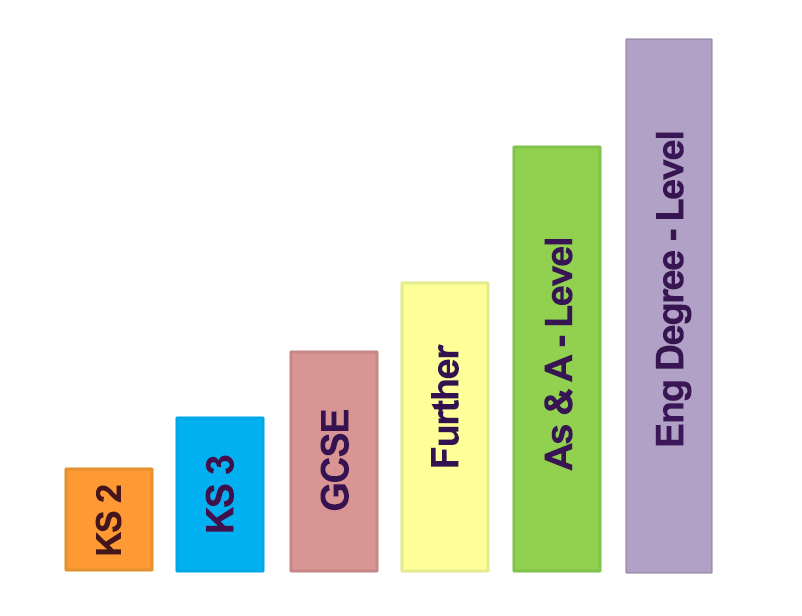
Weak foundations significantly slow progress in maths. Topics such as fractions, algebraic manipulation, and basic arithmetic underpin GCSE, AS, A-Level, and Further Maths content.
To understand maths quickly:
- Identify gaps in basic knowledge early
- Revisit fundamental skills where necessary
- Practise core techniques until they become automatic
- Strong foundations reduce cognitive load and make advanced topics far easier to grasp.
3. Work Through Examples Step by Step
Watching solutions or reading worked examples without active engagement gives a false sense of understanding. Real progress comes from working through problems carefully and methodically.
- Effective practice involves:
- Writing out full solutions
- Explaining steps in your own words
- Checking answers and correcting mistakes
This approach reinforces understanding and improves problem-solving speed over time.
4. Use Exam-Style Questions Early
Understanding maths quickly requires applying knowledge in realistic contexts. Exam-style questions expose students to the level of reasoning and structure expected in assessments.
Benefits include:
- Improved familiarity with exam wording
- Better time management
- Reduced exam anxiety
Regular exposure helps students recognise patterns and apply methods more efficiently.
5. Address Mistakes Immediately
Ignoring mistakes slows learning. Errors highlight gaps in understanding and should be dealt with promptly.
To learn maths faster:
- Analyse why an answer is incorrect
- Identify the specific misconception
- Practise similar questions to reinforce the correction
Targeted correction prevents repeated errors and accelerates improvement.
6. Get Structured Support When Needed
Self-study has limits, particularly when misconceptions go unnoticed. Structured maths tuition provides clear explanations, guided practice, and personalised feedback.
A qualified maths tutor can:
- Identify weaknesses quickly
- Explain concepts in a way that suits the student
- Keep learning focused and efficient
This often results in faster progress than independent study alone.